Albania
 Argentina
 Australia
 Austria
 Belgium
 Bosnia and Herzegovina
 Brazil
 Bulgaria
 Canada
 Chile
 Colombia
 Croatia
 Czech Republic
 Denmark
 Estonia
 Finland
 France
 Germany
 Greece
 Hungary
 Ireland
 Italy
 Latvia
 Lithuania
 Luxembourg
 Mexico
 Moldova
 Montenegro
 Netherlands
 New Zealand
 North Macedonia
 Norway
 Philippines
 Poland
 Portugal
 Romania
 Serbia
 Slovakia
 Slovenia
 South Africa
 Spain
 Sweden
 Switzerland
 Turkey
 Ukraine
 United Kingdom
 United States of America


Home Audio
Home audio includes radios, portable speakers, karaoke equipment and multi-component Hi-Fi systems. When choosing, decide which room you will listen in, whether you want to carry the device around and which sources you will play from. Also consider ease of use, available connections and, for wireless models, the power supply. Choose the right type according to its use and the space, not just its power or number of features.
Home audio by space and use
Radio for everyday listening
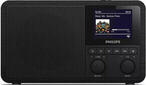
A radio is suitable for the kitchen, study, bedroom or workshop if you simply want to listen to music or spoken content. Check the supported reception methods, tuning, station presets and operation without a mobile app. If you listen to online content, explore internet radios and check how they connect, are set up and let you select stations.
For bedroom use, display readability and brightness control are important, as are alarm and timer functions where needed. For a busier room, choose with speech clarity and the availability of physical buttons in mind.
Wireless or portable speaker
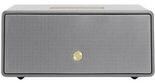
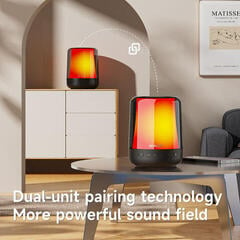
Wireless and portable speakers are mainly designed to play audio from a phone, tablet or other compatible source. Distinguish between a mains-powered wireless home model and a battery-powered portable speaker. Portability is affected by size, weight, shape, the ability to hold it securely and the durability of its construction.
Check the supported wireless connection, any wired input, the charging method and the conditions for the stated battery life. Battery life may vary depending on volume and the features in use. For a bathroom, balcony or garden, choose according to the protection rating stated by the manufacturer, not just the appearance.
Karaoke for singing at home
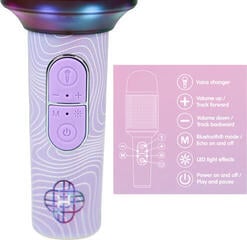
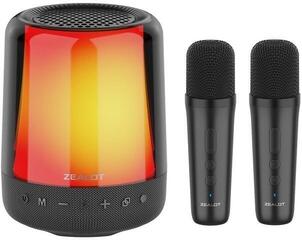
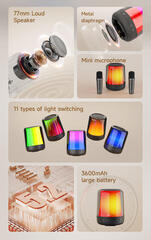
Karaoke systems combine music backing playback with microphone connectivity. Check whether microphones are included, how they connect and whether their volume can be adjusted separately from the music. For singing as a pair, check how many microphones can be used at the same time.
Also consider the source of the backing tracks and how lyrics will be displayed. Not every system has a screen or sends video to a television. In a smaller room, convenient volume control is often more practical than comparing power figures alone.
Hi-Fi for focused listening
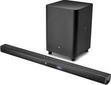
Hi-Fi may take the form of a compact system or a setup made up of a signal source, amplifier and speakers. A compact system makes purchasing, connection and operation easier. Separate components provide more options for future changes, but require you to check connectors and mutual compatibility.
For speakers, consider the listening position, distance from walls and the manufacturer's positioning recommendations. When combining an amplifier with passive speakers, check electrical compatibility in the documentation for both products. Wattage alone, without a comparable measurement method, does not reliably indicate sound quality or the suitability of a system.
Standalone device or audio system
The decision depends on the space, the sources you need and your willingness to deal with connections. A single device can simplify everyday use, while a system lets you replace selected parts separately.
| Area | Standalone device | Multi-component system |
|---|---|---|
| Placement | Occupies one continuous space and usually needs fewer cables. | The components need to be positioned appropriately and given enough space. |
| Connection | Setup is usually easier and the functions are concentrated in one unit. | You need to check the connectors, cables and compatibility of the individual parts. |
| Controls | Sources and volume are generally controlled through one interface. | Each component may have its own controls. |
| Expansion | Depends on the device's available inputs and features. | A selected part can be changed as long as compatibility is maintained. |
| Suitable use | Everyday listening, a smaller space and a requirement for simple operation. | Hi-Fi listening, multiple sources or gradual system modifications. |
Connections and audio sources
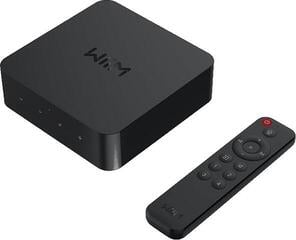
List the devices you want to connect: a phone, computer, television, player, turntable or network source. Then compare their outputs with the audio inputs. The same connector shape does not necessarily mean the same signal, so check the interface name and documentation.
Wired connection
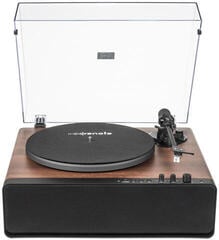
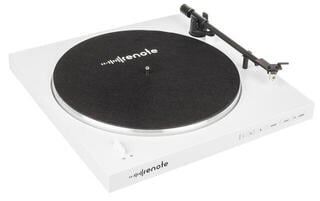
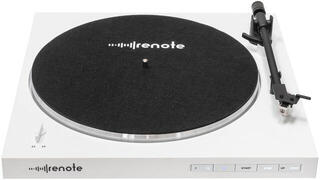
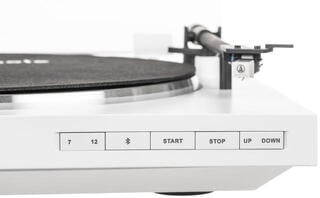
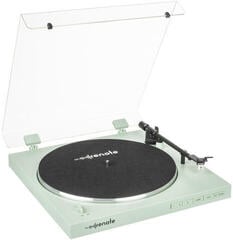
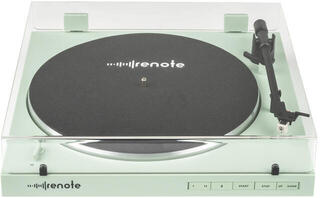
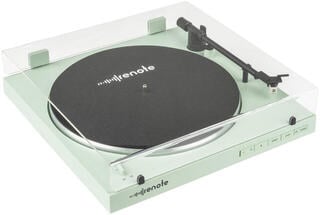
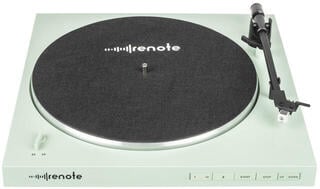
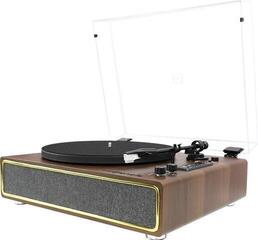
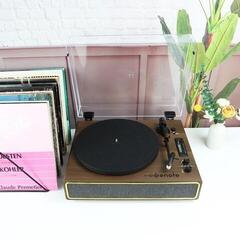
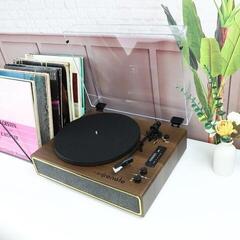
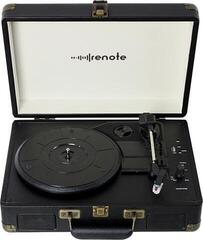
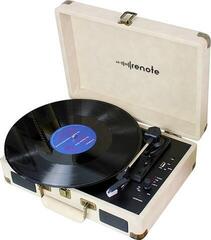
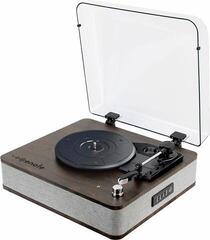
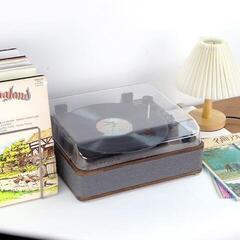
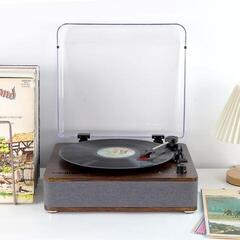
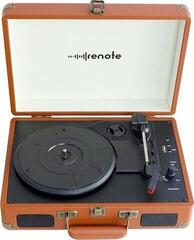
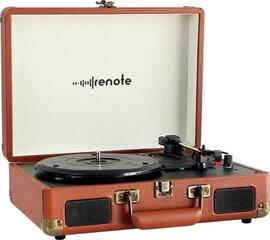
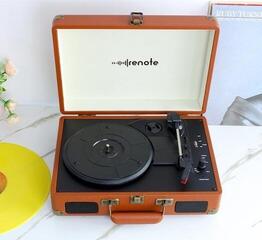
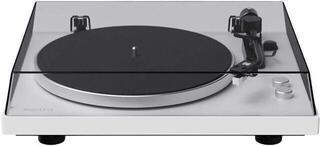
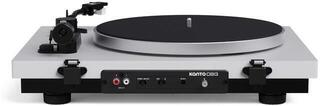
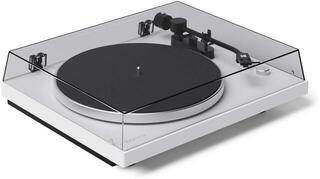
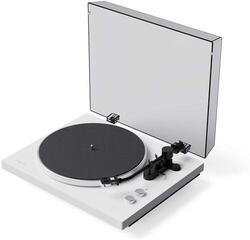
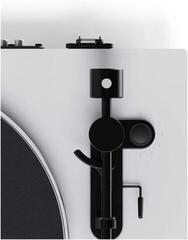
For wired connections, distinguish between analogue and digital interfaces. For a television, check the supported method of audio transmission and volume control. For a turntable, find out whether it needs a separate preamplifier or whether this function is built into one of the devices. Also check the type and length of the required cables and whether they are included.
Wireless and network playback
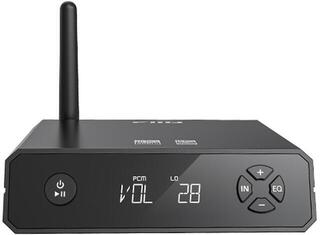
Check compatibility with your phone or computer, whether a home network is required and any dependence on an app or account. For network playback, consider the connection quality where the audio equipment will be placed. If several people use the device, it can be practical for basic tasks such as switching on, changing the source and adjusting the volume to work directly on the device too.
How to adapt audio to the room
Sound is affected by room size, speaker position, distance from walls, furniture and the listening position. Measure the available space and leave room for connectors, cabling and ventilation. Do not enclose speakers in tight furniture unless the manufacturer recommends it.
An easy-to-use device for listening while doing other activities is suitable for a kitchen or study. A stereo setup or a system connected to the television may make sense in a living room. In the bedroom, consider display brightness, the timer and operation at low volume. With a stereo setup, aim for approximately symmetrical positioning relative to the listening position.
What to check before choosing
- Determine the main use: radio, playback from a phone, karaoke, television sound or Hi-Fi listening.
- Measure the location and leave space for controls, cables and ventilation.
- Compare the outputs of all sources with the available audio inputs.
- Check the supported wireless connection and the method of everyday operation.
- For a portable model, check charging and the conditions for the stated battery life.
- For a radio, check reception, station presets, the display, alarm and timer as needed.
- For karaoke, check the number of microphones, their connection and separate voice volume control.
- For a Hi-Fi setup, check the compatibility of the amplifier, speakers and sources.
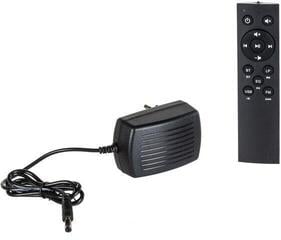
- Find out which cables, microphones, remote controls and power accessories are included.
- Only compare power figures stated under comparable conditions.