Albania
 Argentina
 Australia
 Austria
 Belgium
 Bosnia and Herzegovina
 Brazil
 Bulgaria
 Canada
 Chile
 Colombia
 Croatia
 Czech Republic
 Denmark
 Estonia
 Finland
 France
 Germany
 Greece
 Hungary
 Ireland
 Italy
 Latvia
 Lithuania
 Luxembourg
 Mexico
 Moldova
 Montenegro
 Netherlands
 New Zealand
 North Macedonia
 Norway
 Philippines
 Poland
 Portugal
 Romania
 Serbia
 Slovakia
 Slovenia
 South Africa
 Spain
 Sweden
 Switzerland
 Turkey
 Ukraine
 United Kingdom
 United States of America



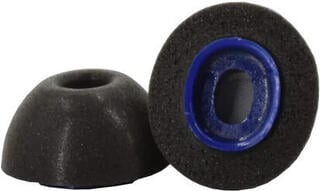
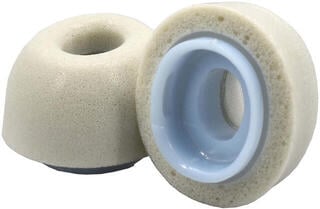
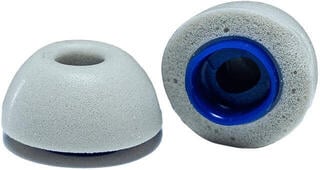
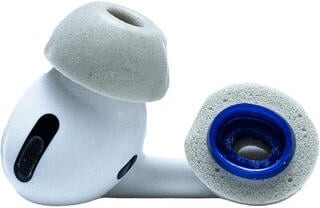
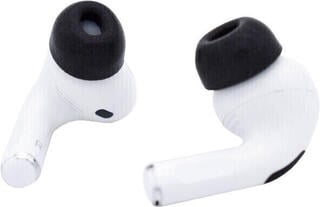
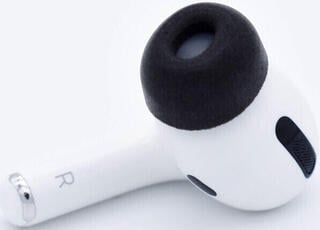
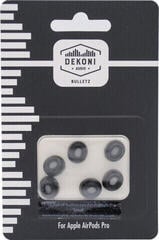
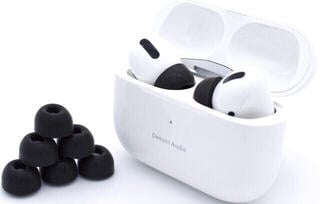
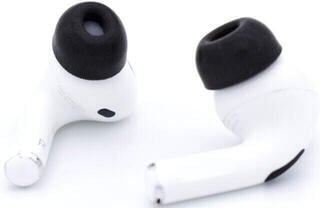
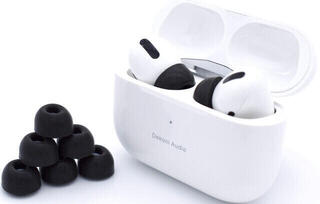
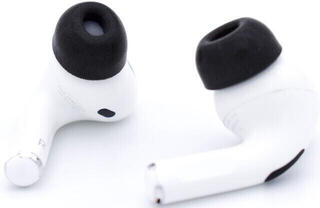
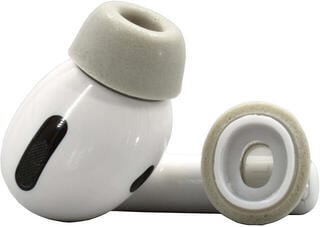
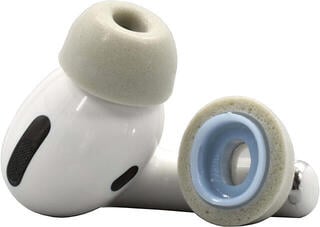
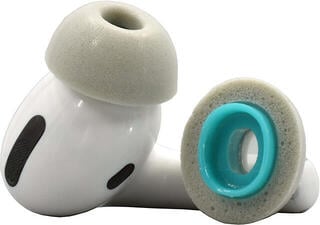
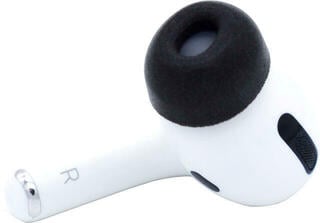
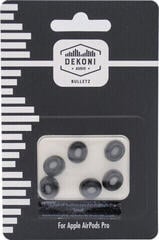
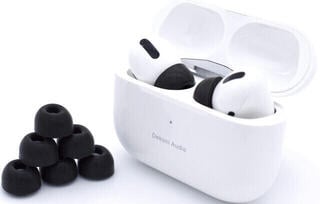
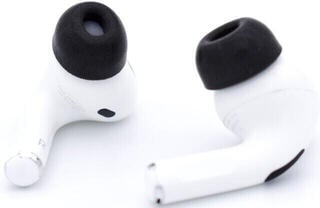
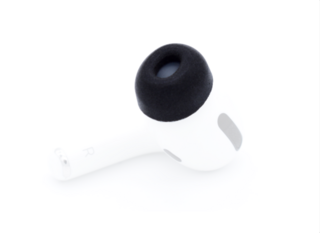
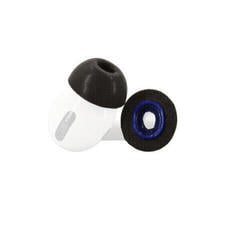
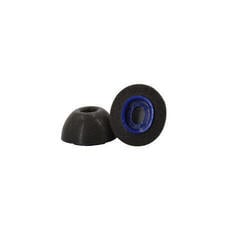
Ear tips for headphones
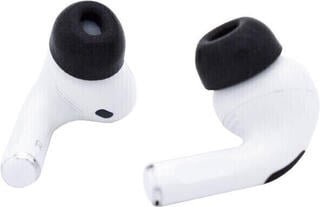
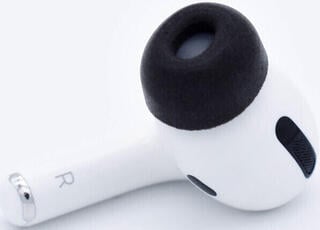
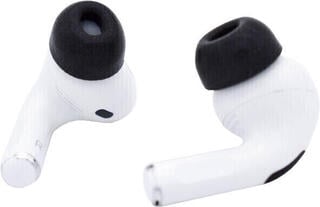
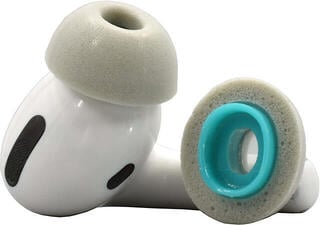
Ear tips affect comfort, stability, and how you perceive sound, so choose them for your specific earphone model and the shape of your ears. A similar appearance does not necessarily mean that a tip will stay securely attached or form a proper seal. The attachment type, size, shape, material, and care method all matter. A suitable pair may reduce the amount of ambient noise that gets through, but the level of isolation cannot be guaranteed.
Ear tips by compatibility
First, find the full model designation of your earphones. Models from the same brand may have different nozzle diameters, attachment shapes, or proprietary attachment mechanisms. If the manufacturer provides a list of supported devices, check the exact model against it, not just the product range.
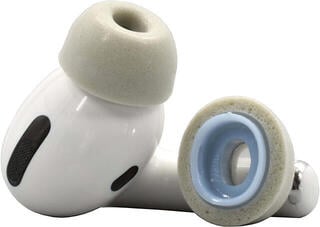
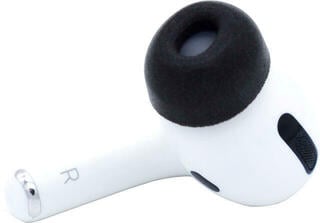
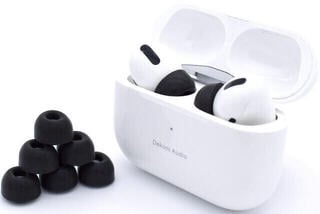
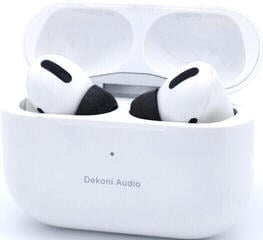
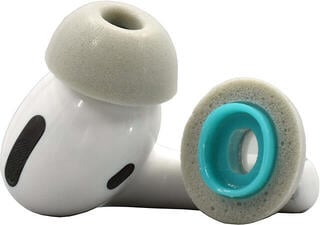
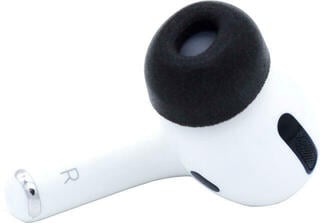
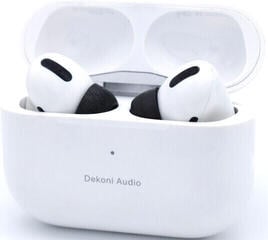
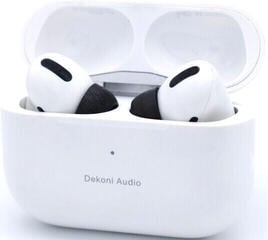
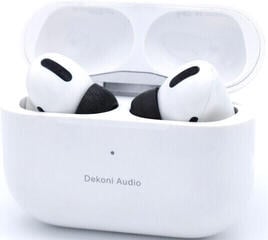
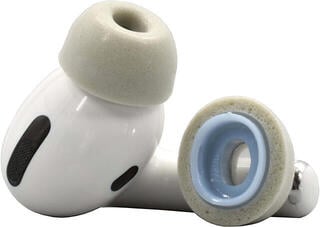
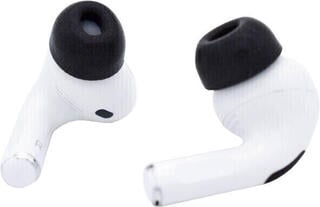
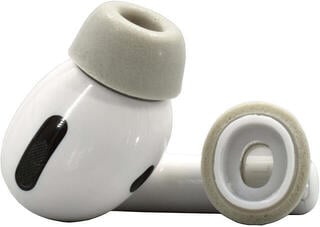
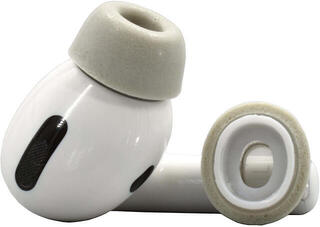
The tip must remain firmly attached to the earphone, must not cover the sound opening, and must not come off when you remove the earphone from your ear. For wireless earphones, also check whether they fit into the charging case with the tips attached and whether the case closes properly. Unless compatibility is confirmed, do not assume that tips will fit based on a similar shape alone.
Choosing the size and shape
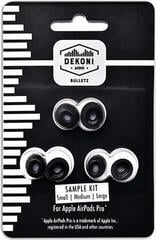
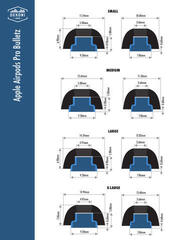
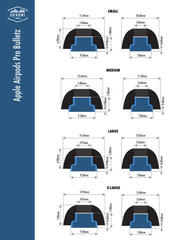
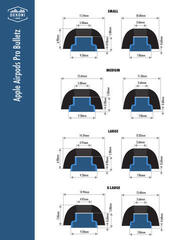
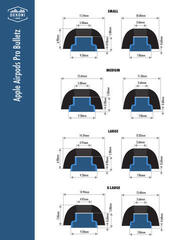
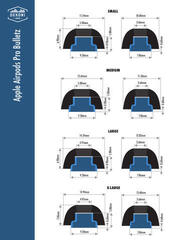
S, M, and L labels are relative within each specific range and may vary between manufacturers. You should therefore also compare the height of the tip, the dome profile, and the dimensions of the internal attachment section. If you have the original tip, use it as a reference.
The right size should remain stable without causing uncomfortable pressure. A tip that is too small may come loose, while one that is too large may press against your ear or prevent the earphone from sitting correctly. Your left and right ears may not need the same size, so assess each side separately.
Signs of a suitable fit
- The earphone stays in place while walking and during normal head movements.
- The tip does not press, scratch, or move around in your ear.
- The sound feels balanced on both sides with the same settings.
- The tip does not come off the earphone when you remove it.
- The earphone can be stored correctly in its case if the model uses one.
Materials and their properties
The material affects how the tip feels in your ear, how it conforms, and how it needs to be cleaned. However, the material alone does not guarantee comfort or isolation; the correct size, shape, and compatibility remain important.
| Type | Typical properties | What to look out for |
|---|---|---|
| Silicone | A flexible material with a surface that is usually easy to maintain. | Softness and shape vary; an unsuitable size may cause pressure or come loose. |
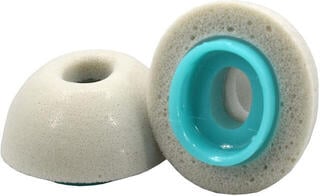
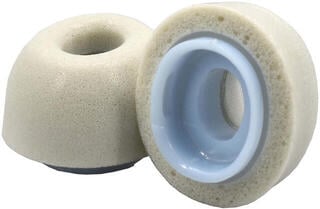
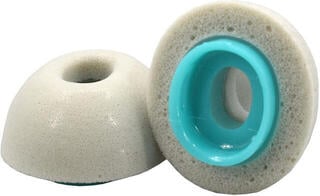
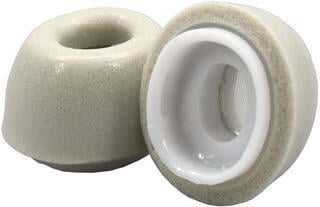
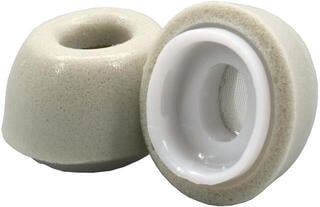
| Memory foam | Expands after being compressed and conforms to the space in your ear. | Requires gentle care, gradually wears out, and must fit the specific model. |
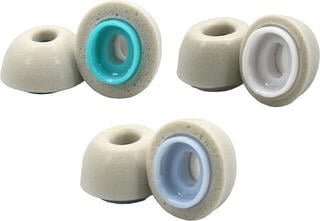
| Multi-flange tip | Has several sealing sections and a different profile from a standard dome. | May not suit every ear; do not force it into place. |
Checklist before choosing
- Check the manufacturer and the full model designation of your earphones.
- Check the stated compatibility or whether the attachment type matches.
- Compare the diameter, shape, and depth of the attachment section with the original tip.
- Make sure the tip does not cover the sound opening or protective mesh.
- Choose the size based on stability and comfort, not just the label.
- Test your left and right ears separately.
- Consider the material, skin sensitivity, and cleaning method.
- Check that the earphones fit into the charging case.
- After fitting the tip, gently check that it is firmly attached to the earphone.
Hygiene, cleaning, and replacement
Inspect and clean the ear tips regularly according to the manufacturer's instructions. If they are removable, carefully detach them before cleaning and prevent moisture from entering the sound opening or electronics. Adapt the method to the material: foam tips may require gentler handling than silicone ones. Allow them to dry completely before reattaching them.
Do not share ear tips without thoroughly sanitising them. Replace them if they are torn, hardened, permanently deformed, cannot be adequately cleaned, or no longer stay attached to the earphone. When trying a new pair, start at a low volume. If the sound is unusually muffled, first check the fit and make sure the opening is clear.
Isolation and awareness of your surroundings
A better seal may affect both the amount of ambient noise you hear and your perception of bass, but the result depends on your ear anatomy, the fit, and the earphone design. No ear tip therefore automatically guarantees complete isolation. When moving through traffic or another environment where you need to hear warning signals, choose a level of sealing that still allows you to respond to your surroundings.